
Ending poverty
Ending poverty through enterprise, productive opportunity and access to capital.


From Magnifica Humanitas to productive enterprise: an African institutional response to the age of artificial intelligence
The Announcement
Veritas University, the Catholic University of Nigeria, has announced the Founding Board of Veritas Enterprise, its AI-enabled commercial and venture-building arm.
Veritas Enterprise is being established to convert knowledge, talent, research, institutional trust and market opportunity into productive enterprises capable of attracting capital, creating economic value and operating at scale.
Inspired by Pope Leo XIV’s Magnifica Humanitas, Veritas Enterprise places the human person at the centre of artificial intelligence, with particular attention to the poor and those excluded from economic opportunity. It also addresses a central feature of the emerging AI economy: access to data, infrastructure and computing power should broaden economic participation rather than concentrate economic power in a few hands.
The Challenge
0M+
Nigerians living in extreme poverty
World Bank
$0B
Annual economic impact of the Cambridge ecosystem
London Economics
0
Faith-based tertiary institutions across Africa
Estimated
0M
Students served by those institutions
Estimated
0–99%
Of African businesses are nano and micro enterprises
Estimated
0
Priority enterprise areas for the first phase
Veritas Enterprise
The Opportunity
The World Bank estimates that more than 120 million Nigerians live in extreme poverty. Veritas Enterprise intends to build and test a model capable of addressing that challenge at scale, with an architecture designed for replication across Africa.
The scale of what a university-centred enterprise ecosystem can become is already visible elsewhere.
Research by London Economics estimates the economic impact of the Cambridge ecosystem at approximately $40 billion a year, around the scale of Nigeria’s entire federal budget.
AI can now connect institutions, markets, capital and millions of fragmented economic actors at a scale and cost that were impractical only a few years ago. Productive enterprise creates income, assets and economic independence, while viable enterprises can attract capital and scale.
$40 billion
London Economics
Humanitas AI
The Kukah Centre is the principal institutional partner for the implementation of Magnifica Humanitas in Africa, working through the Humanitas AI ecosystem to translate its human-centred vision into institutions, programmes and practical action.
Veritas Enterprise has emerged from that ecosystem as its enterprise-building expression, applying AI, enterprise and capital to expand productive opportunity and participation in the emerging economy.
25 May 2026
Pope Leo XIV issued Magnifica Humanitas on 25 May 2026.
25 June 2026
One month later, on 25 June 2026, Humanitas AI was launched at Veritas University, Abuja, with Veritas University becoming the first university in the world to sign the Humanitas AI Compact.
2 October 2026
The Founding Board of Veritas Enterprise announced at Veritas University, Abuja.
“Technology must remain at the service of the human person. The challenge before us is therefore larger than artificial intelligence itself. It is whether we can use these new capabilities to widen opportunity, restore dignity and enable more people to participate productively in the economy. Veritas Enterprise is one practical response to the call of Magnifica Humanitas in Africa.”

Bishop Matthew Hassan Kukah
Co-Chair, Founding Board, Veritas Enterprise
Humanitas AI
Ending poverty through enterprise, productive opportunity and access to capital.
Extending primary healthcare to people existing systems fail to reach.
Serving vulnerable populations, including displaced people, refugees, migrants and others facing exclusion.
Building an emerging economy in which productive assets, data and computing power are more widely distributed.
A Continental University Enterprise Platform
Africa has approximately 675 faith-based tertiary institutions, together serving an estimated three million students.
The University Enterprise Commons will connect faith-based and technology-focused universities around AI, enterprise creation, research, technology, markets and investment.
AI provides the coordination infrastructure connecting research, talent, markets, technology and capital across institutions and countries.
Veritas Enterprise will originate and develop enterprises, assemble technology, capital and operating partners, recruit entrepreneurs and management teams, and support the creation of independent companies.
Each opportunity will be developed toward an investable structure with defined market, technology, ownership, governance, management and capital requirements.
675
Faith-based tertiary institutions across Africa, serving an estimated three million students — the constituency the University Enterprise Commons is being built to connect.
Veritas Enterprise originates and develops enterprises, assembling the people, technology and operating models each opportunity requires.
Technology, capital and operating partners are brought together around each venture, with management teams recruited against a defined thesis.
Each opportunity is developed with defined market, technology, ownership, governance, management and capital requirements.
Veritas Enterprise supports the creation of independent companies able to attract capital and operate at scale.
Enterprise at the Base of the Economy
97–99%
of African businesses are NMEs
1
coordination layer, powered by AI
0
new barriers to large-scale capital
In many African economies, nano and micro enterprises (NMEs) account for roughly 97–99% of businesses, yet most remain fragmented and largely invisible to large-scale capital.
AI makes coordination at this scale increasingly possible.
A central objective of Veritas Enterprise is to organise NMEs, improve their visibility to capital and connect them to productive assets, technology, markets and finance.
01. Organise
Aggregate fragmented nano and micro enterprises into coordinated, legible units of production.
02. Make visible
Improve their visibility to large-scale capital through structured data and credible records.
03. Connect
Connect them to productive assets, technology, markets and finance.
The Portfolio
AI will operate across the portfolio as a horizontal capability for coordination, productivity, market access and risk assessment.
Together, these areas provide a practical platform for testing whether AI, combined with enterprise and appropriately structured capital, can materially reduce poverty at scale.
The Founding Board
Veritas University has constituted a Founding Board spanning industrial infrastructure, finance, technology, law, regulation, development economics, enterprise building, university leadership, international political economy and the African diaspora.
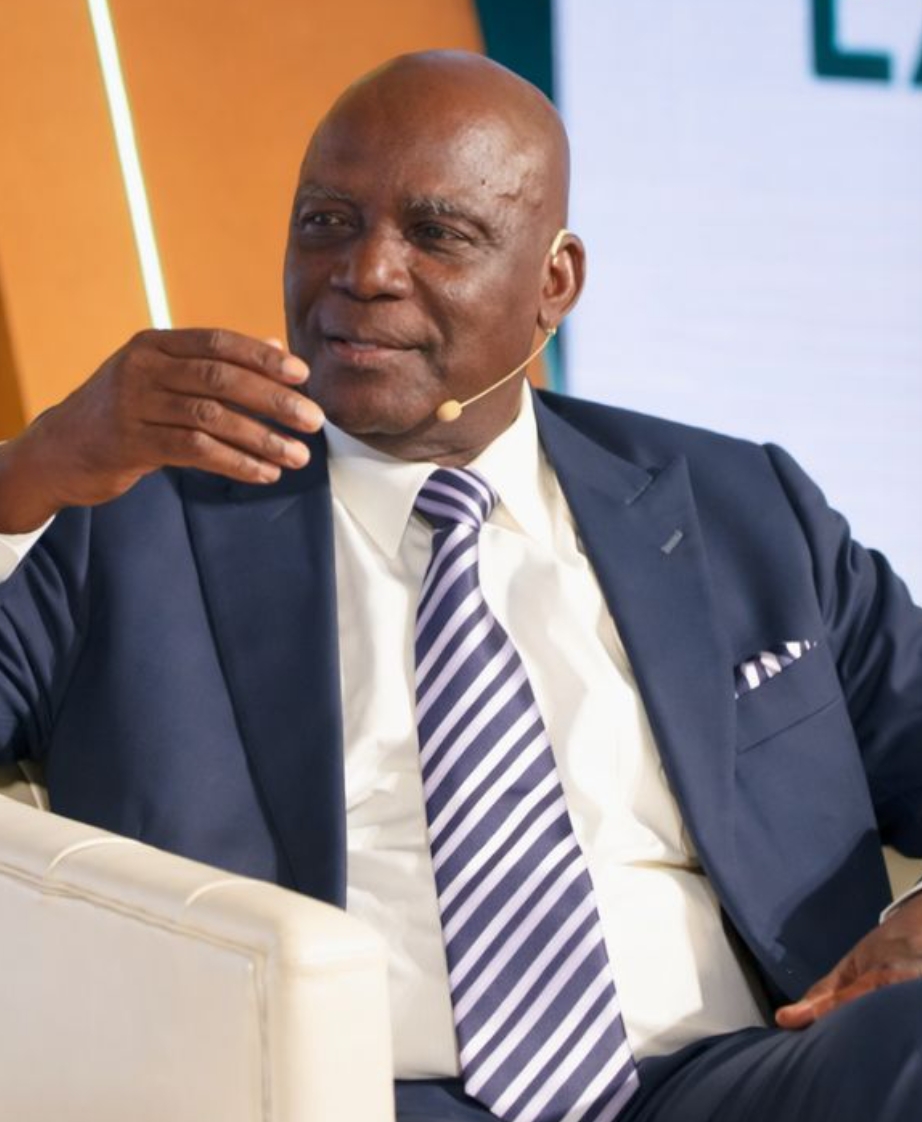
The Board is co-chaired by Bishop Matthew Hassan Kukah and Professor Bart Nnaji.
Board composition
Co-chaired by Bishop Matthew Hassan Kukah and Professor Bart Nnaji.
Co-ChairCo-Chair, Founding Board, Veritas Enterprise
Bishop Matthew Hassan Kukah is Bishop of Sokoto, Founder of The Kukah Centre and Convener of Nigeria’s National Peace Committee, a nationally recognised platform for electoral peace, high-level mediation and national dialogue. He is serving a second term as a member of the Vatican’s Dicastery for Promoting Integral Human Development, which coordinates the Holy See’s work on artificial intelligence and is responsible for implementing the human-centred vision set out in Magnifica Humanitas, including its practical application in Africa. He holds a PhD from SOAS, University of London, was a Senior Rhodes Fellow at St Antony’s College, Oxford, and earned a Master’s in Public Policy at Harvard Kennedy School as an Edward Mason Fellow.
 Co-Chair
Co-Chair, Founding Board, Veritas Enterprise
Professor Bart Nnaji is Founder and Chairman of Geometric Power Group and developer of the Aba Integrated Power Project, Nigeria’s first fully vertically integrated electricity utility and first 100% privately owned integrated power utility. He is Nigeria’s former Minister of Power, former Minister of Science and Technology, Professor of Robotics and Computer-Integrated Manufacturing at the University of Massachusetts Amherst, and holds a postdoctoral certificate in Artificial Intelligence and Robotics from MIT.
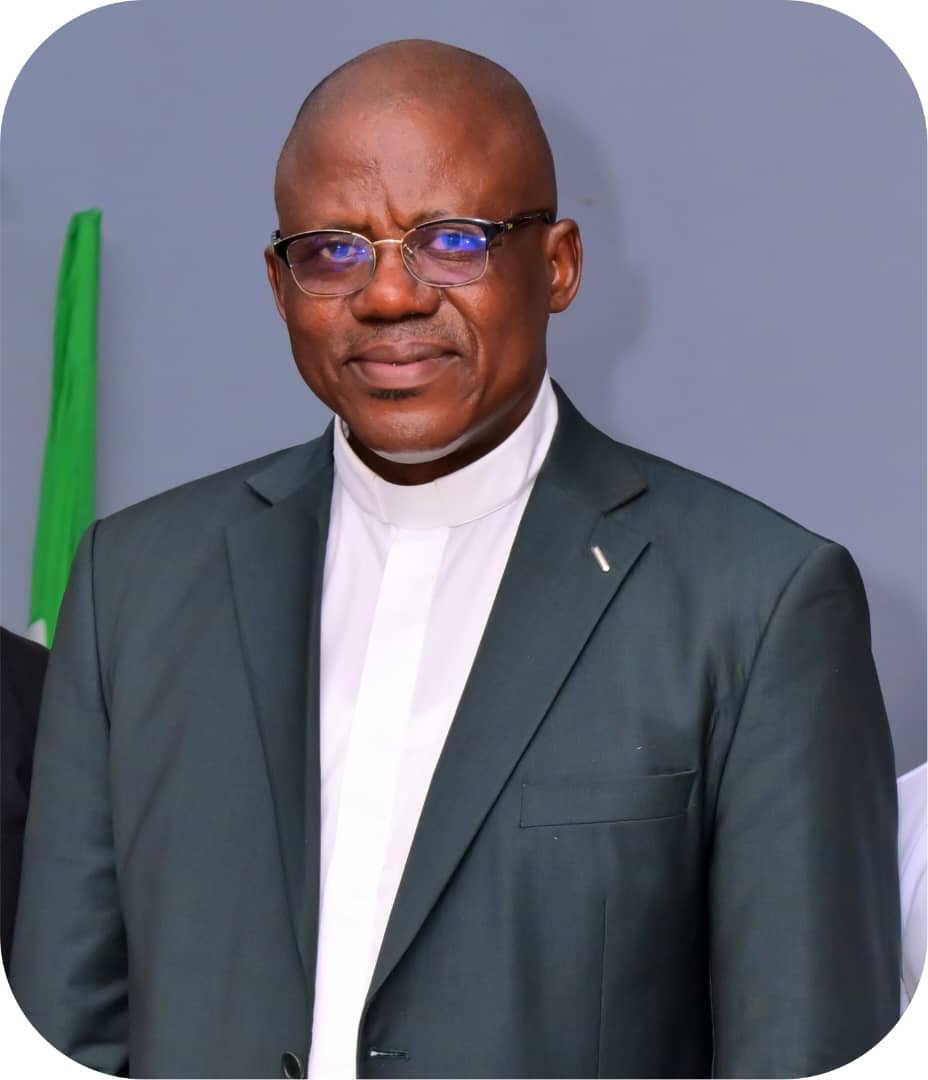
Vice-Chancellor, Veritas University; Professor of Development Microeconomics
Development economics · University leadership
Rev. Fr. Prof. Hyacinth Ichoku is Vice-Chancellor of Veritas University and Professor of Development Microeconomics. He is a foundational signatory of the Humanitas AI Compact. His experience includes work with the World Bank, World Health Organization, USAID, UKAID and the European Union, with particular depth in development economics, health financing and public policy. He earned his first degree in Economics from the University of Nigeria, Nsukka, and his master’s and PhD in Economics from the University of Cape Town.

Former Chairman and CEO, Nigerian Electricity Regulatory Commission
Regulation · Public policy
Dr. Sam Amadi is a scholar, public-policy strategist and former Chairman and CEO of the Nigerian Electricity Regulatory Commission. He earned an LL.M., MPA and S.J.D. from Harvard University, and is Director of the Abuja School of Social and Political Thought and Founding Chair of the Center for AI, Digital Justice and Economic Rights (CADER), working at the intersection of AI, governance, economic rights and public policy. He is also a Visiting Professor at the Emerald Energy Institute, University of Port Harcourt.
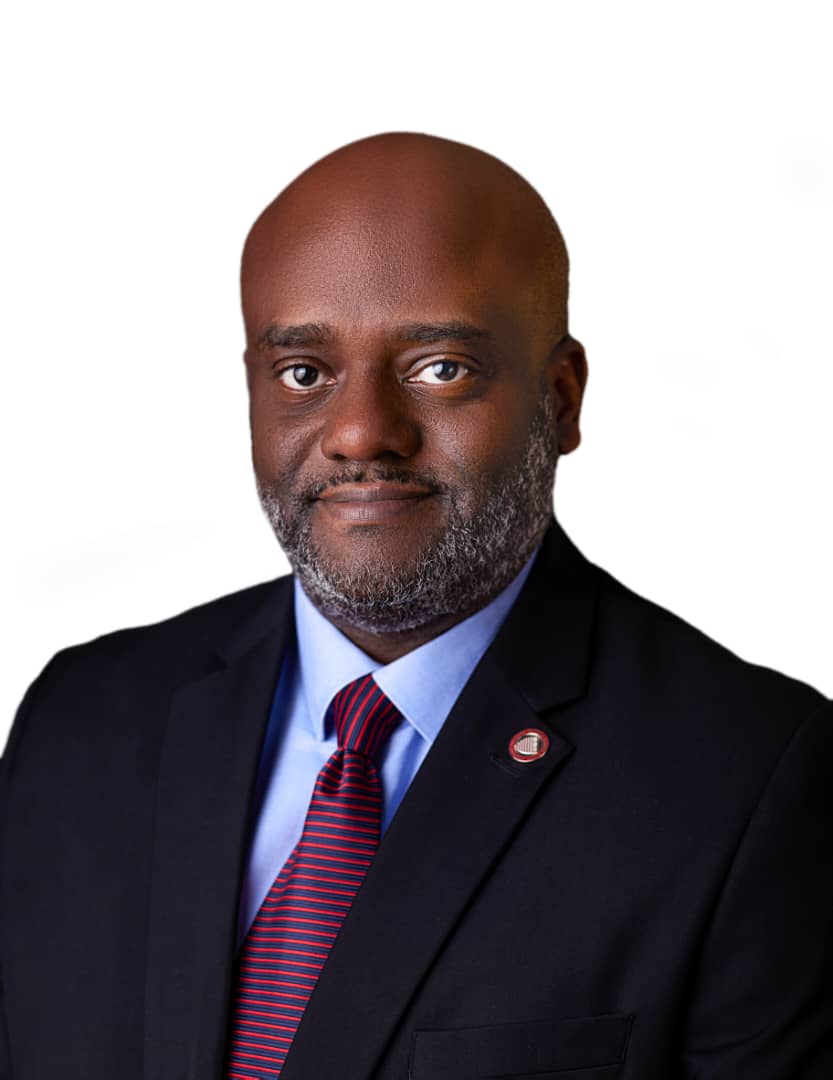
President General, USOSA; Former Citibank and Access Bank executive
Finance · Institutional reform
Michael Ibrahim Magaji is a former Citibank senior executive and Access Bank Regional Director with more than three decades across banking, government and development. He has served on the Governing Council of Veritas University and the boards of Caritas Nigeria and CICL, and is President General of USOSA. His experience spans infrastructure planning, enterprise development, public-private partnerships and institutional reform. He holds an MBA from United States International University and an MA from the University of Lagos, with executive education at Harvard Kennedy School and MIT.
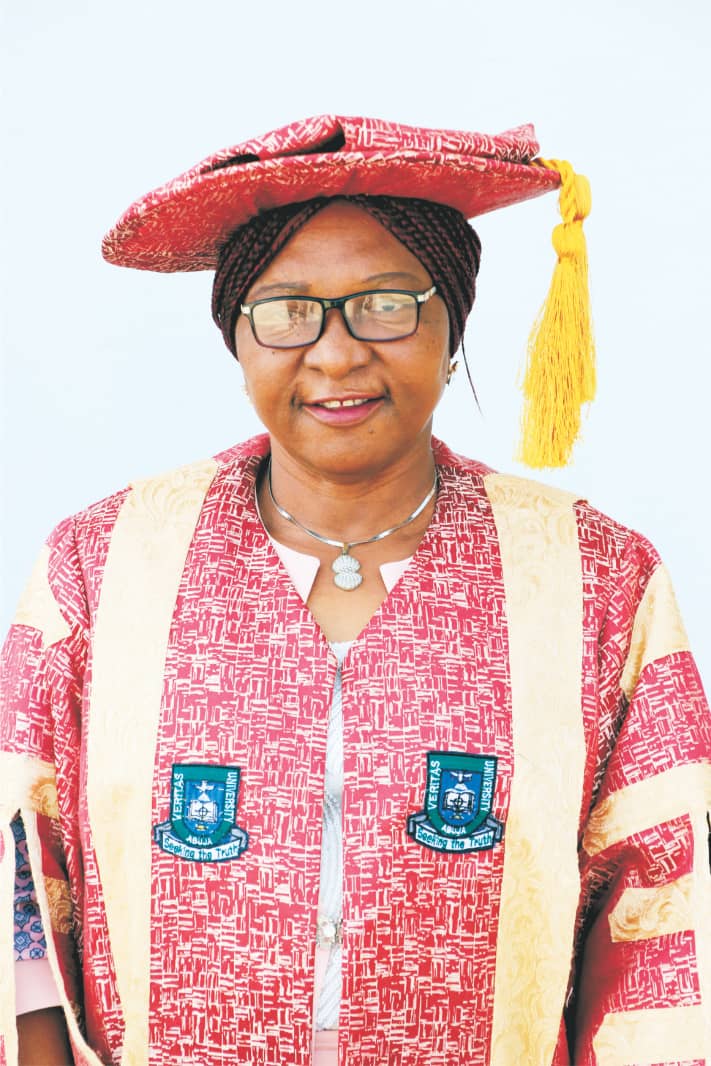
Bursar, Veritas University
Finance · University leadership
Dr. Margaret Ejima Akoje is Bursar of Veritas University, with responsibility for financial management, budgeting and fiscal administration. She previously served at the National Teachers’ Institute and brings extensive experience in institutional finance and higher-education administration. She holds an MBA and MLS, is a Fellow of the Association of National Accountants of Nigeria, and is an Associate of the Chartered Institute of Taxation of Nigeria and the Nigerian Institute of Management.

Chief Executive, Veritas Enterprise
Enterprise building · Development finance
Emmanuel “Emeka” Orjih is a social entrepreneur and technology-for-development proponent with more than 20 years of experience in development finance, enterprise development and market-building across 22 African countries, including helping stand up more than 18,000 enterprises. He is ex-World Bank, ex-U.S. Government, Founder of the Africa AI Fellowship and Founding Director of the Center for AI, Digital Justice and Economic Rights (CADER). He holds a bachelor’s degree in Biochemistry from the University of Nigeria and an MBA in Strategic Management from The Wharton School, University of Pennsylvania. He is author of Augustine Africa: An African Saint’s Blueprint to End World Poverty.

International technology executive and engineer
Technology
Valentine C. Amadi is an international technology executive and engineer with more than 25 years across telecommunications, digital infrastructure, AI and enterprise technology. His career spans Etisalat Nigeria, MTN, World Bank advisory work and technology entrepreneurship, including experience evaluating university research for commercial potential. He holds an engineering degree from the University of Nigeria, Nsukka, and a master’s in Global Business Management from the University of Salford, with further executive education at Cranfield School of Management and Leeds Beckett University.
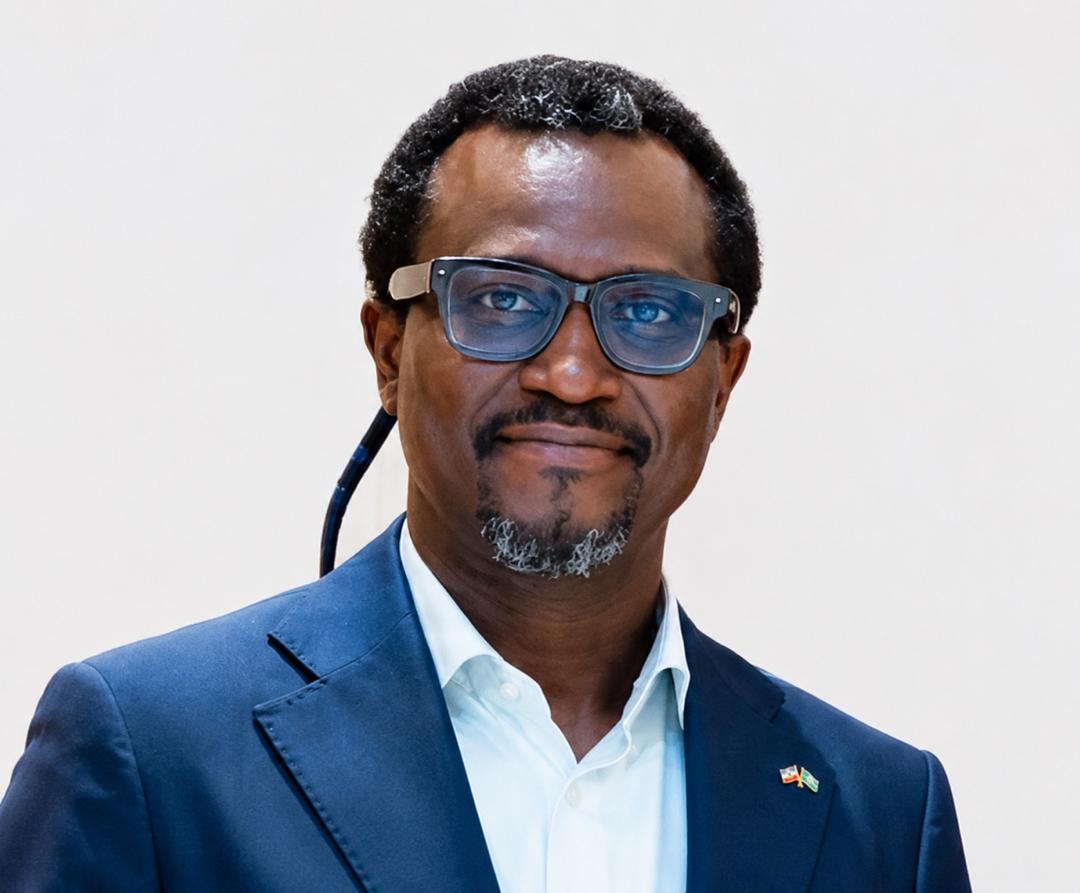
Senior Private Sector Development and Access to Finance Adviser, GIZ
Finance · Private sector development
Akinwande Pearse is Senior Private Sector Development and Access to Finance Adviser with GIZ, with more than 25 years across MSME finance, private-sector development and inclusive growth in West Africa. His advisory and programme experience includes engagements involving Citibank, NLNG, ExxonMobil, Ecobank, IFC and MTN, as well as governments, financial institutions and development partners. He is a graduate of the University of Uyo, a certified Project Management Professional, with postgraduate coursework at Edinburgh Business School.
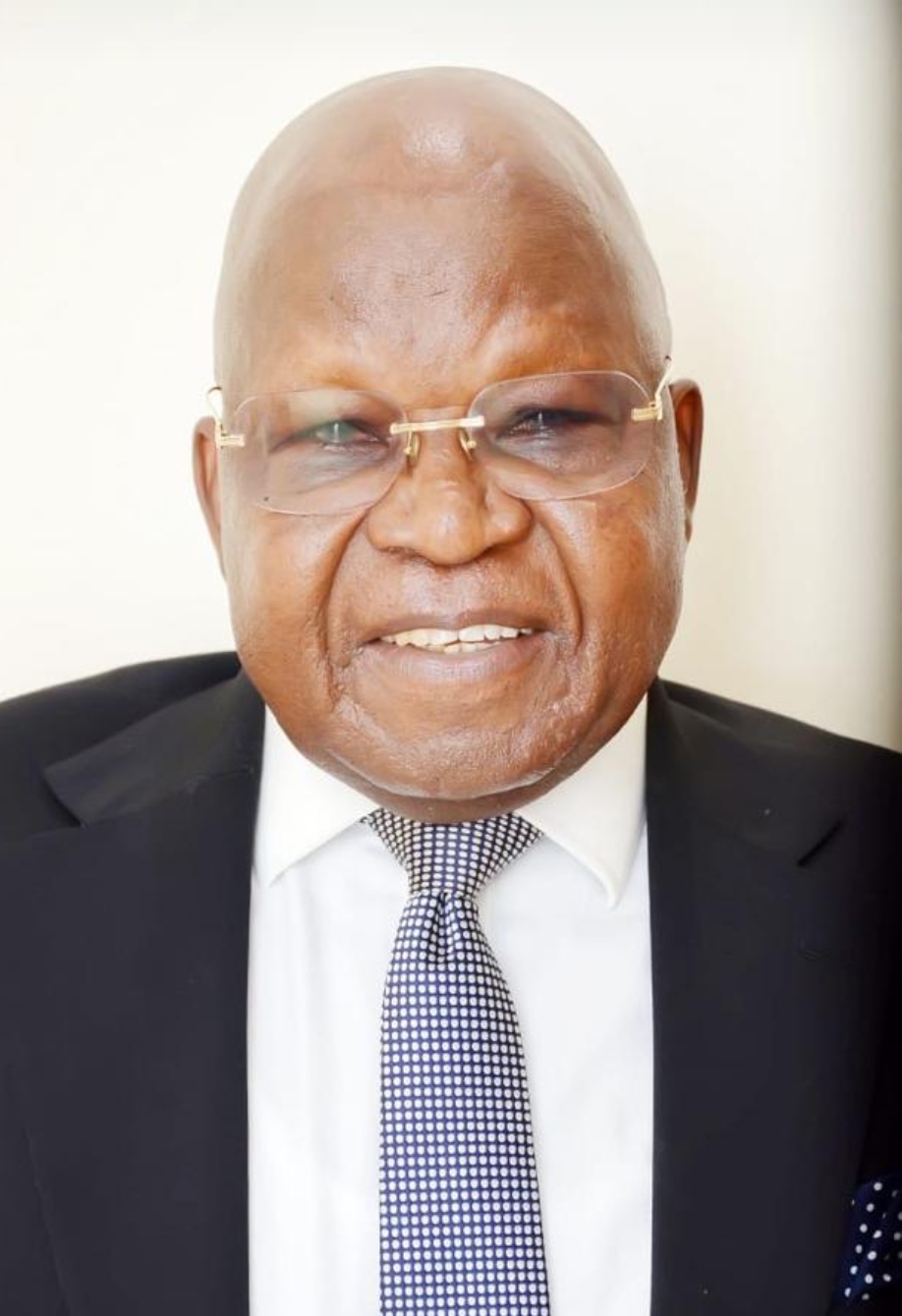
Professor of Commercial Law, Veritas University
Law · Arbitration
Professor Paul Obo Idornigie, SAN is Professor of Commercial Law at Veritas University and a leading Nigerian authority on commercial law and arbitration. He previously served as General Counsel at the Bureau of Public Enterprises and has extensive experience across Nigerian and international arbitration institutions, including the Permanent Court of Arbitration at The Hague. He brings deep expertise in commercial law, governance, transactions and dispute resolution. He holds LL.B, LL.M and PhD degrees from the University of Jos and is a Chartered Arbitrator and Chartered Secretary.
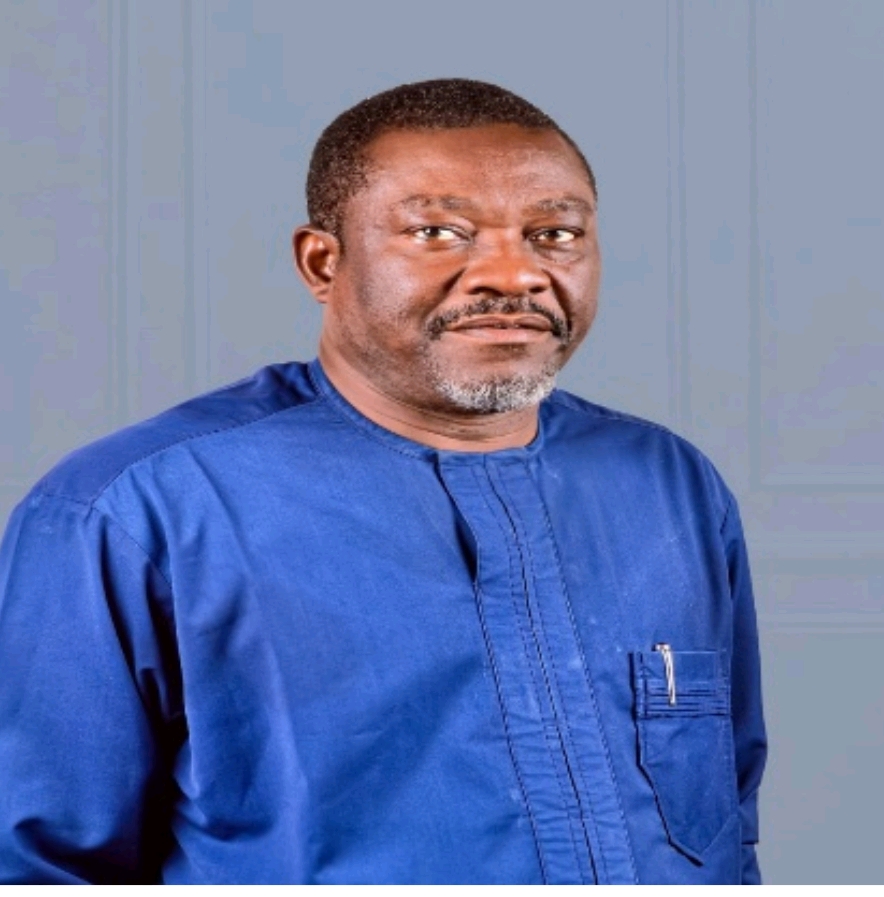
Professor of Applied English Linguistics; University leader
University leadership · Education
Professor Gabriel Bassey Egbe is a Professor of Applied English Linguistics and university leader with nearly three decades in higher education. He has authored more than 60 scholarly publications and led major digital-skills and education-reform programmes, including World Bank-supported initiatives, with experience involving UNESCO and the British Council. His work spans digital transformation, literacy, university innovation and AI-enabled education. He holds a PhD from the University of Calabar.

Historian and political economist
International political economy · The African diaspora
Professor Emeka Aniagolu is a historian, political economist and author who spent 35 years as a professor at Ohio Wesleyan University and The Ohio State University. His work spans international political economy, African political development, African-American history and the African diaspora. He has authored more than twenty works, including Black Mustard Seed, nominated for the Commonwealth Writers Prize. He studied Political Science at Xavier University, earned an MA from The Ohio State University, and undertook doctoral work there in international political economy and history.
From Founding to Execution
The Founding Board will guide Veritas Enterprise through its establishment and first execution phase, including governance, investment architecture, strategic partnerships and the development of its first portfolio of enterprises.
Veritas Enterprise will engage universities, technology companies, financial institutions, investors and development partners able to contribute capital, technology, markets, production capacity or distribution.
The ambition
Its ambition is to determine whether artificial intelligence, enterprise and capital can be organised at sufficient scale to help make extreme poverty history.
Universities, technology companies, financial institutions, investors and development partners are invited to contribute capital, technology, markets, production capacity or distribution to the first execution phase.